Smoothie Bar Equipment Guide: Everything You Need to Start Your Business
Essential Smoothie Bar Equipment List
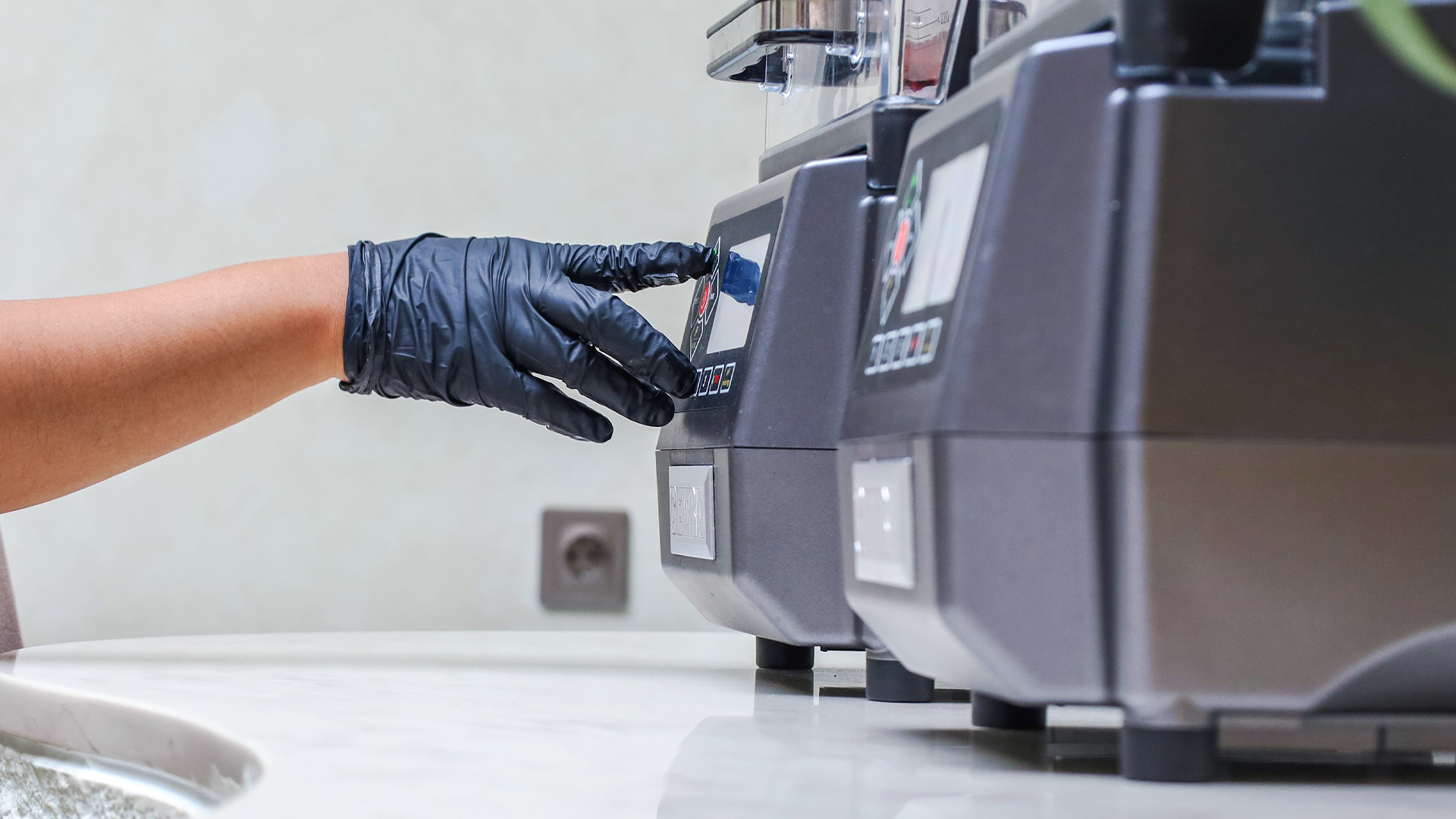
The right equipment determines how well your smoothie bar performs from day one. Start with the blenders. Commercial-grade units run on 1800-watt motors and handle 150+ blends daily. Many models include programmable cycles that shut off automatically, keeping staff free for other tasks without sacrificing consistency across orders.
Ice demand scales with your volume. Smaller juice bars use between 300 and 600 lbs daily, while high-traffic locations push past 1,000 lbs during peak hours. Commercial ice machines come in air-cooled and water-cooled models, with air-cooled units requiring adequate ventilation clearance.
Refrigeration keeps your ingredients safe and service running without interruption. Reach-in refrigerators handle short-term storage and quick access during busy periods. Walk-in coolers suit high-volume operations storing bulk inventory. Undercounter units work well where floor space is tight. Regardless of unit type, all cold holding equipment must maintain 41°F or below for potentially hazardous foods.
Warewashing is non-negotiable. A three-compartment sink covers washing, rinsing, and sanitizing in dedicated sections. Each compartment must fit your largest equipment pieces, with drain boards on both sides for soiled and clean items. Water temperature in the first two compartments should meet the minimum of 110°F.
Round out your setup with commercial juicers for fresh juice offerings, food prep sinks separate from handwashing stations, and BPA-free freezer-safe containers for pre-portioned ingredients.
Food Preparation and Serving Equipment
Drink quality starts before the blender turns on. Color-coded scoops prevent cross-contamination between fruits, vegetables, and allergen-containing ingredients.
Consistency across every order depends on accurate portioning. Serving supplies directly affects the customer experience. Disposable smoothie cups range from 12oz for children's portions to 32oz for extra-large servings, with 20oz being the most popular size. Clear plastic cups put your drinks' vibrant colors on display and are recyclable. Dome lids handle whipped cream toppings and keep drinks sealed during transport.
Additional Equipment Needed for a Smoothie Bar
Core production tools only cover part of what keeps a smoothie bar operational. Several support systems fill the gaps.
Water filtration systems protect both your equipment and your product. Hard water causes scale buildup that reduces ice machine output and affects cube clarity. Commercial filters prevent mineral accumulation in ice machines and coffee brewers, cutting repair costs while producing clearer water for better-tasting beverages. Fountain drinks consist of mostly water, so filtration quality directly impacts what customers taste.
Point-of-sale systems handle the complexity that comes with high customization menus. Modern POS software tracks ingredient-level inventory for perishable produce, manages modifiers for add-ons like protein powder or supplements, and integrates kitchen display systems that send orders directly to blender stations. Order accuracy stays consistent even during peak morning rushes.
Storage solutions protect ingredient freshness. Airtight containers work well for freeze-dried fruits, paired with First-In-First-Out rotation systems and date labels. Stainless steel prep tables with built-in shelving keep daily supplies within reach without consuming valuable floor space.
Conclusion
Equipment selection directly affects your daily output, product consistency, and long-term costs. Blenders, refrigeration, and prep tools handle the production side. Water filtration, POS systems, and storage solutions protect the quality and efficiency behind the scenes.
Start with your expected volume. That number determines which commercial-grade units fit your operation without overspending or underperforming. Quality equipment costs more upfront but cuts replacement and repair expenses over time.
The right setup today keeps your smoothie bar profitable tomorrow.